

400 different conditions – “rheumatism” as an umbrella term
Rheumatology practice Heidelberg
“Rheumatism” is not a single disease but an umbrella term for around 400 different inflammatory rheumatic conditions. Besides the more common diseases such as rheumatoid arthritis and spondyloarthritis, there are rarer conditions, some of which have only been recognised in recent years.
In the broader sense, gout is also counted among the rheumatic diseases, and osteoporosis can occur as a consequence of an inflammatory disease. Here you can learn more about the other rheumatic diseases we treat at our practice in Heidelberg.
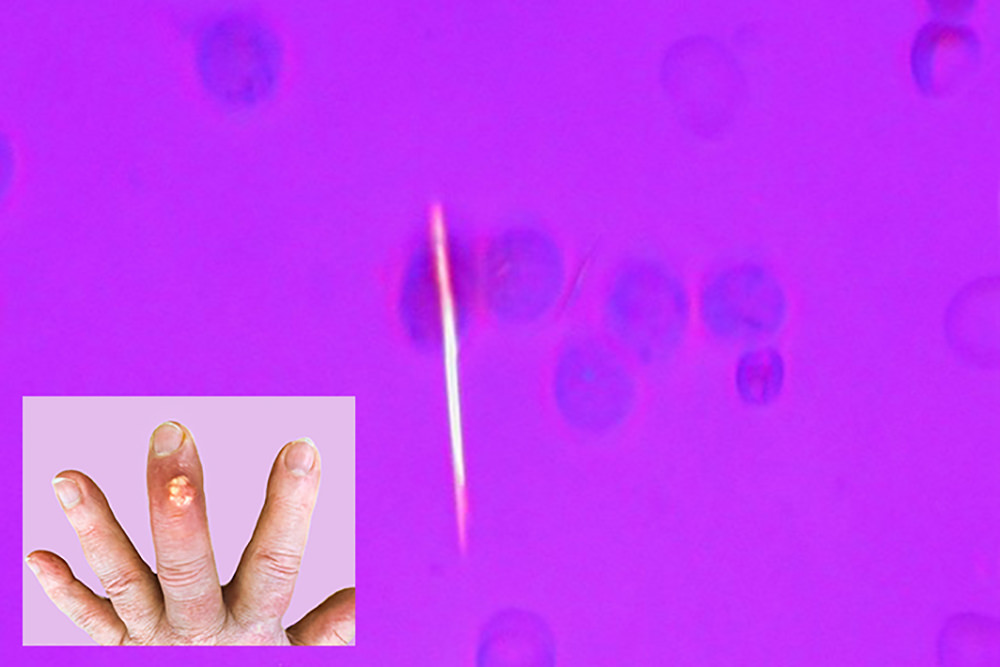
Gout
Gout is a metabolic disease in which the uric acid concentration in the blood is usually elevated; there is a genetic predisposition. Uric acid crystals can be deposited in joints, tendons, kidneys, skin and ear cartilage. This often leads to painful inflammation, and if untreated it can damage joints and organs. Typically affected joints are the base of the big toe and the base of the thumb. The joint suddenly becomes very painful, red and warm. In an acute gout attack, anti-inflammatory painkillers (NSAIDs), cortisone and colchicine are used. A low-purine diet is important to prevent further attacks.
Sarcoidosis
Sarcoidosis is a systemic disease of the connective tissue characterised by the formation of granulomas. Besides the joints, organs (skin, heart, lungs, kidneys, eyes) can be affected, so patients often need an extensive work-up. Treatment depends on the symptoms.

Autoinflammatory syndromes (AIS)
AIS are rare diseases characterised by periodically recurring symptoms, usually accompanied by raised inflammatory markers (CRP). A suspected diagnosis can be confirmed by genetic testing. AIS include familial Mediterranean fever (FMF), the cryopyrin-associated periodic syndromes (CAPS) and TNF receptor-associated periodic syndrome (TRAPS). These diseases are rare and may need to be co-managed in a specialised outpatient clinic.
Amyloidosis
In amyloidosis, altered proteins are deposited in the tissues. The amyloid deposits destroy the organ structure and thus impair the function of, for example, the kidneys, heart, nervous system or gastrointestinal tract. The symptoms are often non-specific, so the disease is frequently diagnosed only at an advanced stage. Any chronic inflammatory rheumatic disease can lead to amyloidosis through chronic inflammation if it is not adequately treated.

IgG4-related disease
IgG4-related autoimmune diseases are rare, systemic multi-organ diseases. Any organ system can be affected (pancreas, bile ducts, salivary glands, kidneys, lymph nodes, thyroid and blood vessels). Diffuse organ swelling or tumour-like masses frequently develop. Diagnosis and treatment must be coordinated across specialties.
Osteoporosis
Bone strength depends on bone mass and bone density. When these fall below certain thresholds, the condition is called osteopenia or osteoporosis. Osteoporosis can significantly increase the risk of fractures. Bone density should be measured using the DXA method; our practice arranges accompanying laboratory tests for further classification. Once osteoporosis is diagnosed, various drug treatments are available to improve bone density and reduce fracture risk. The most commonly used group of drugs are bisphosphonates. We also give you dietary recommendations.
Whether common or rare – at our rheumatology practice in Heidelberg we do our best to arrive at the correct diagnosis among the 400 different inflammatory rheumatic diseases and to initiate the right treatment. We have great expertise and extensive experience in the field of rheumatology. You are welcome to make an appointment at our practice.
Back to all services
Make an appointment